Mental Health Support
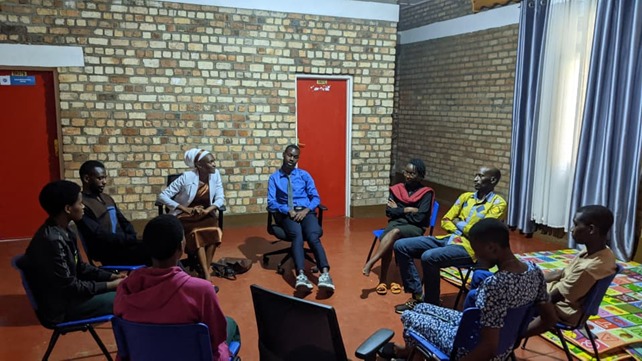
Counselling, psychosocial support, mental wellness education, awareness, resilience building, and appropriate referral pathways.
Learn MoreWe empower individuals, strengthen families, and transform communities through mental health, youth leadership, education, health promotion, social inclusion, and evidence-informed research.
Our programs connect health, education, empowerment, community action, inclusion, and research to create practical and sustainable impact.
Counselling, psychosocial support, mental wellness education, awareness, resilience building, and appropriate referral pathways.
Learn More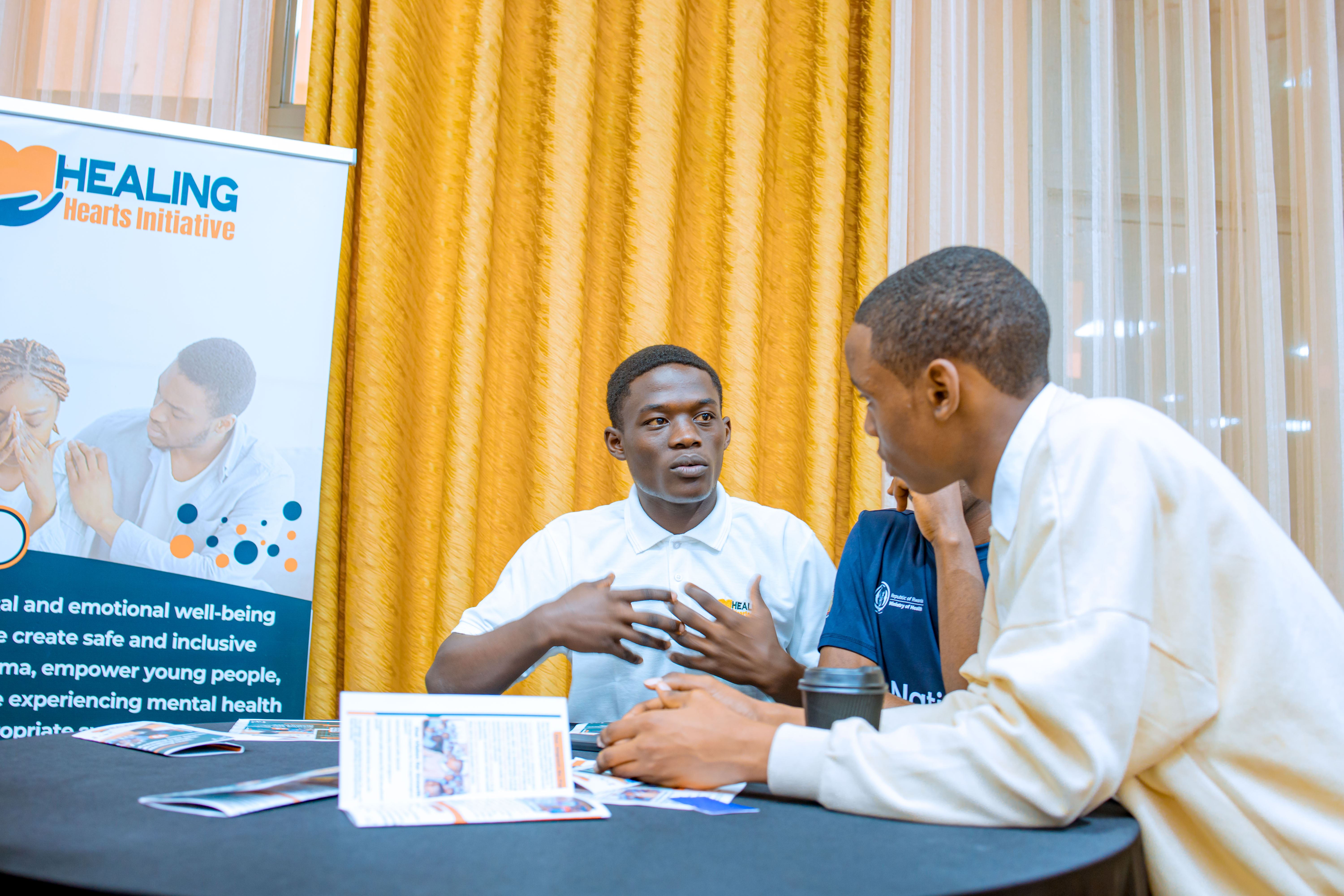
Leadership, life skills, entrepreneurship, digital literacy, financial literacy, participation, and opportunities for young people.
Learn More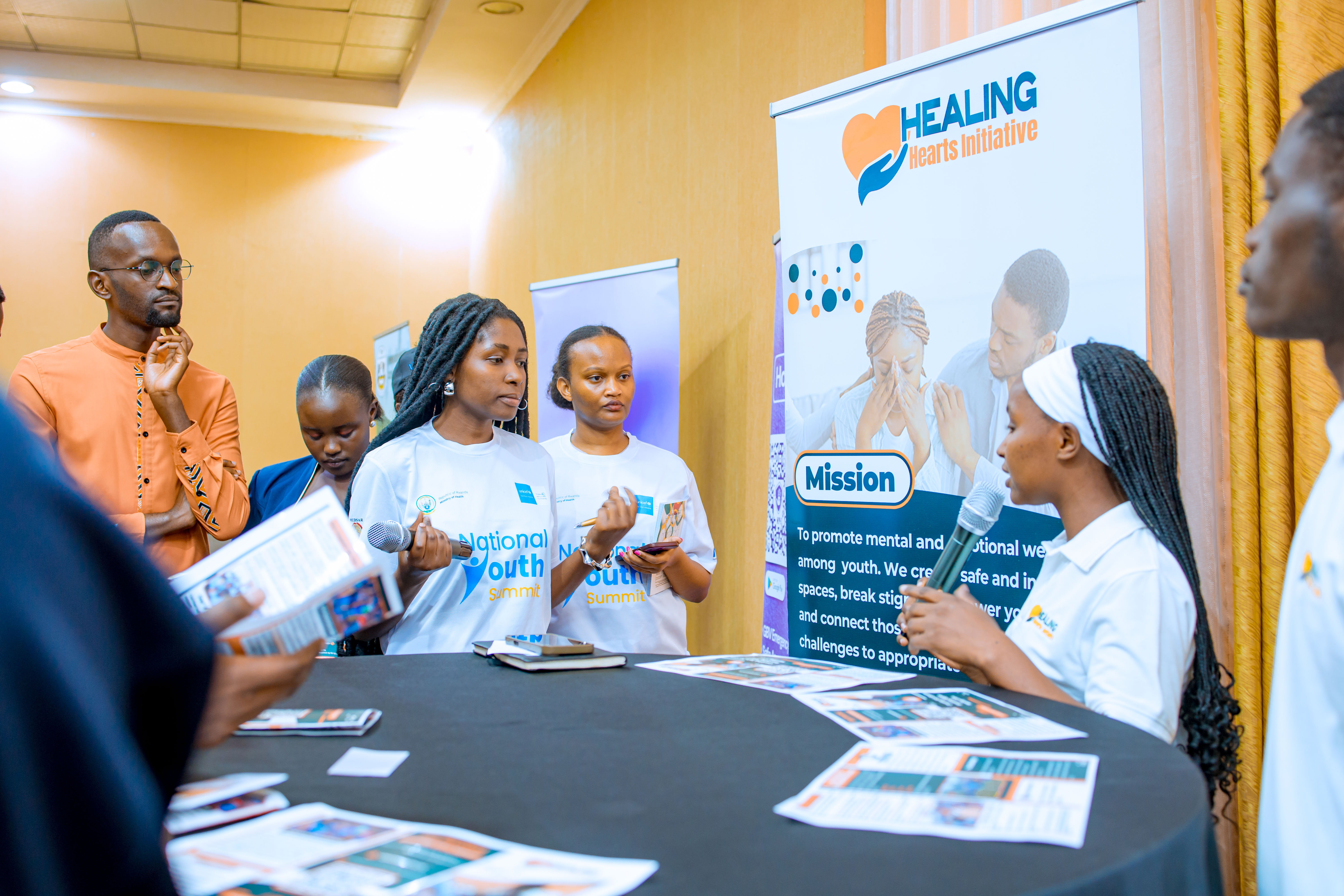
Health education, digital literacy, training, capacity building, knowledge sharing, and learning opportunities.
Learn More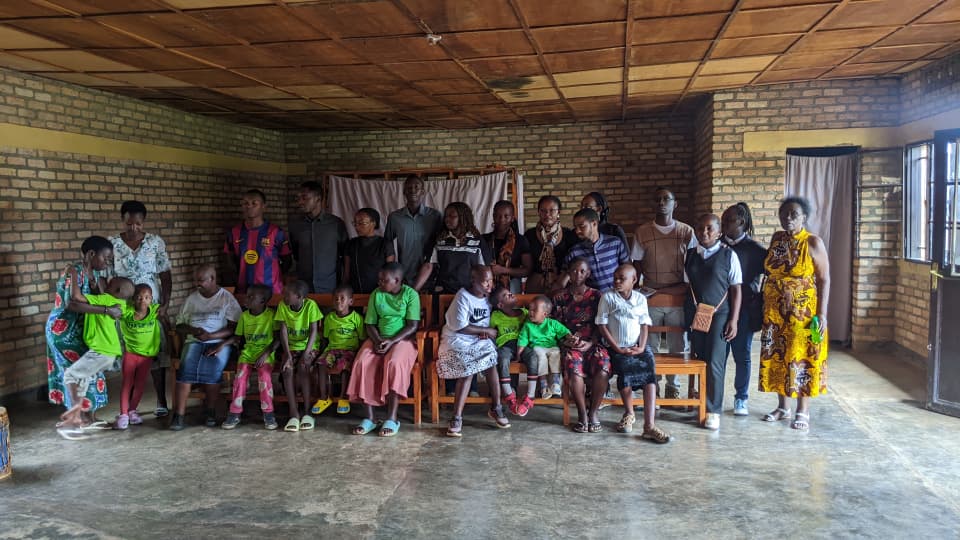
Community awareness, outreach, volunteerism, school engagement, partnerships, and locally driven solutions.
Learn More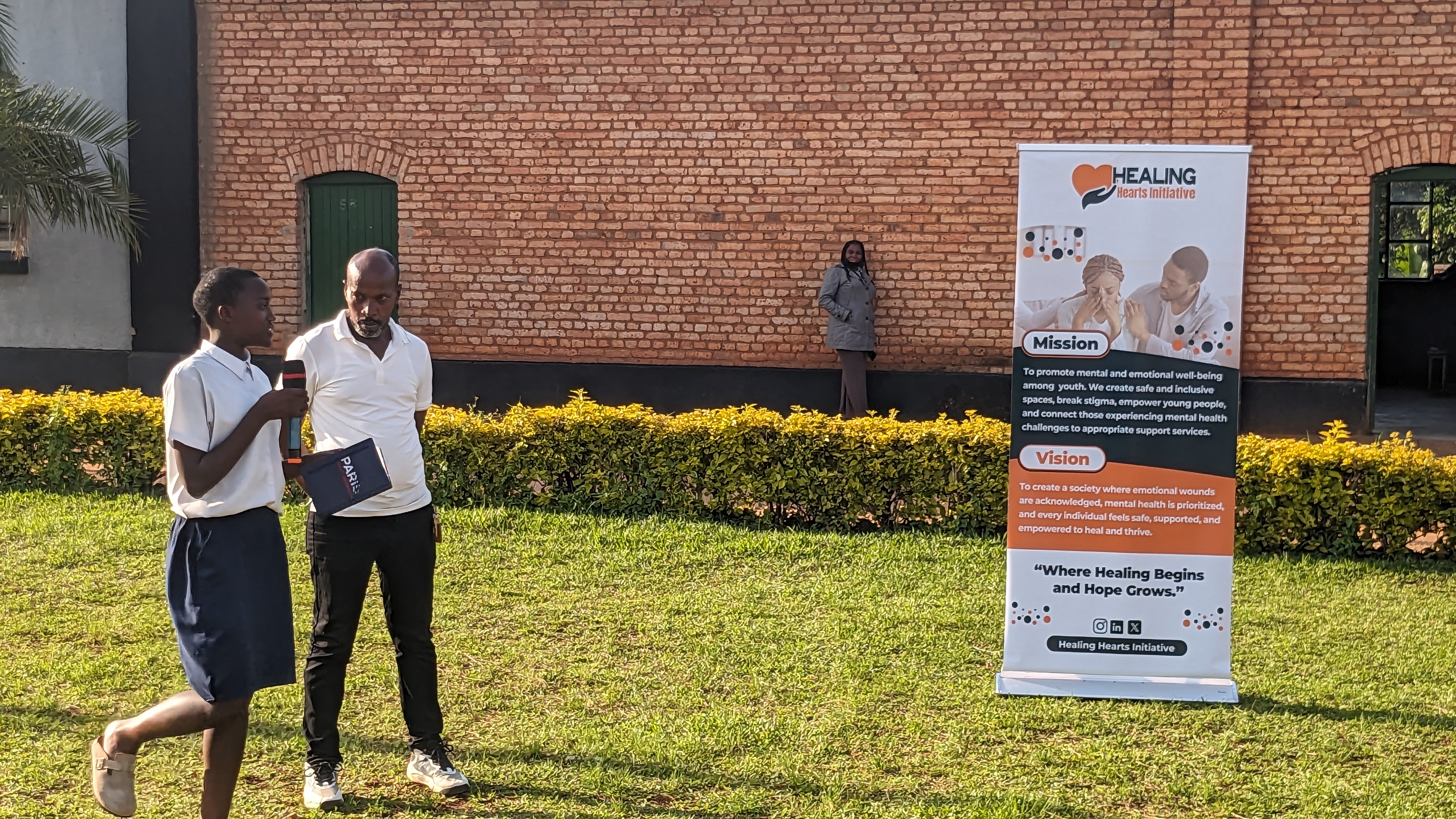
Preventive health education, healthy lifestyles, nutrition, hygiene, and awareness that supports healthier communities.
Learn More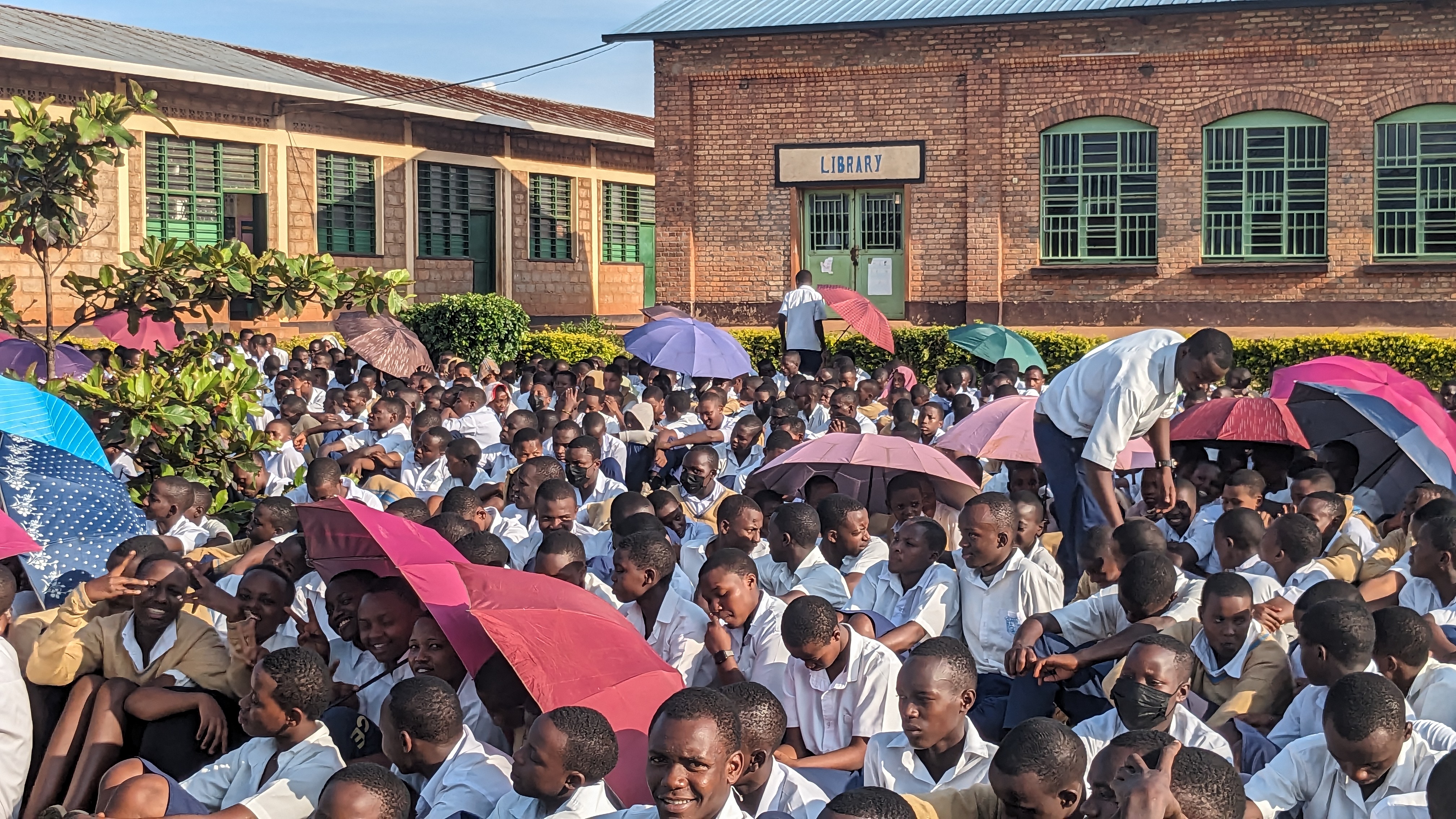
Equality, dignity, participation, accessibility, and inclusion for women, youth, persons with disabilities, and vulnerable groups.
Learn More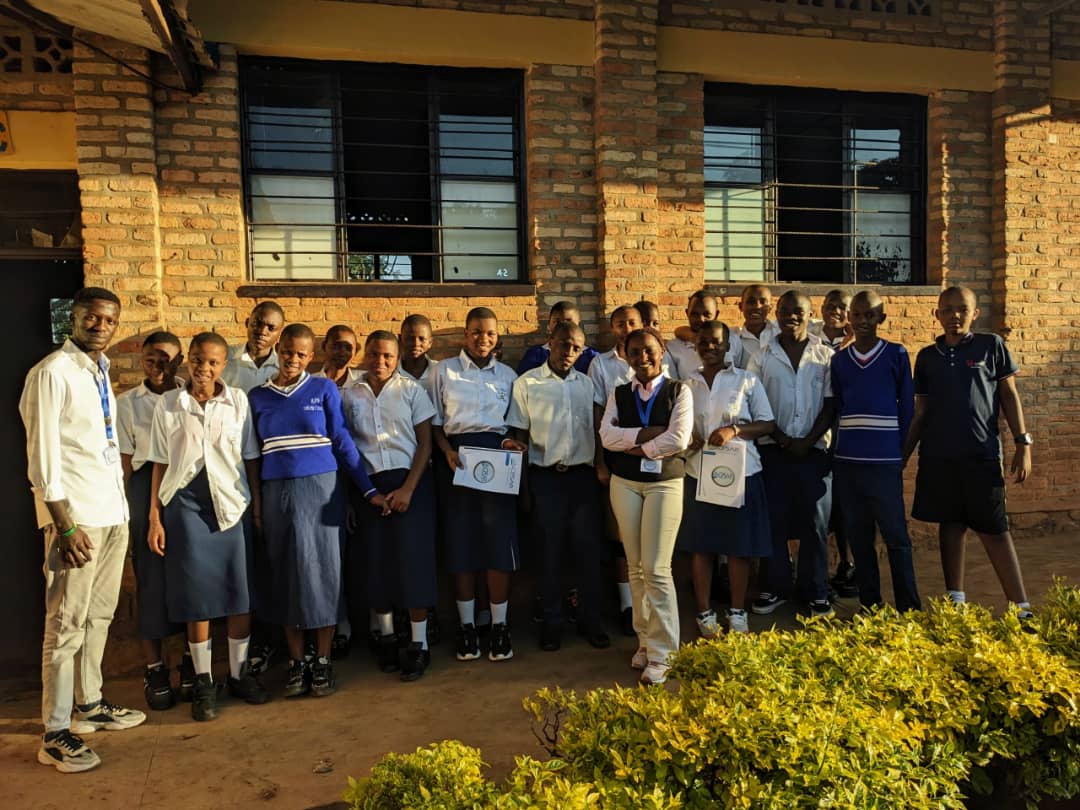 New Focus Area
Community-based research, needs assessments, data collection, monitoring, evaluation, learning, and evidence generation.
Learn MoreEach program is designed to address practical community needs while creating opportunities for participation, learning, and measurable impact.
We promote mental wellbeing through awareness, psychosocial support, basic counselling and appropriate referral to qualified services when specialized care is needed.
We create opportunities for young people to develop confidence, leadership, practical skills, and meaningful participation in community development.
We use education and capacity building to improve access to useful knowledge, strengthen skills, and support informed decision-making.
We work with communities, schools, volunteers, and partners to identify needs, promote awareness, and support locally relevant solutions.
We promote practical knowledge and behaviours that support prevention, healthy lifestyles, wellbeing, hygiene, nutrition, and stronger communities.
We promote dignity, equal participation, accessibility, and opportunities for groups that can face barriers to social and economic participation.
Evidence & Learning
Our Research & Evidence program generates practical knowledge that helps communities, partners, and programs better understand needs, measure results, learn what works, and improve future interventions.
Our research focus is designed to help HHI understand community priorities, improve programs, measure results, and share lessons with partners and communities.
Identify priorities, barriers, experiences, and service gaps through community-informed research.
Track activities, outputs, outcomes, and lessons to understand whether programs are meeting their objectives.
Where appropriate and safe, involve young people in identifying questions, collecting perspectives, and interpreting findings.
Turn findings into reports, briefs, presentations, learning materials, and practical recommendations.
Depending on the research question, HHI may use qualitative, quantitative, or mixed approaches. Methods can include surveys, interviews, focus groups, community consultations, document review, routine program data, and program evaluation.
Research involving people must protect dignity, privacy, safety, and informed participation. Projects will follow applicable ethical and data-protection requirements and seek appropriate review or approval when required. For adolescent research, participation and protection will be handled according to applicable consent/assent and safeguarding requirements.
We aim to collaborate with universities, researchers, health and education institutions, community organizations, and other partners to strengthen research quality, capacity, dissemination, and real-world use of evidence.
We connect community voices, practical action, learning, and partnerships to improve the quality and relevance of our work.
Understand community needs, experiences, and priorities.
Collect and use evidence to understand what works.
Turn knowledge into practical programs and partnerships.
Monitor results, learn continuously, and strengthen our interventions.
Volunteer, partner with us, support our programs, or collaborate with us on research and community initiatives.